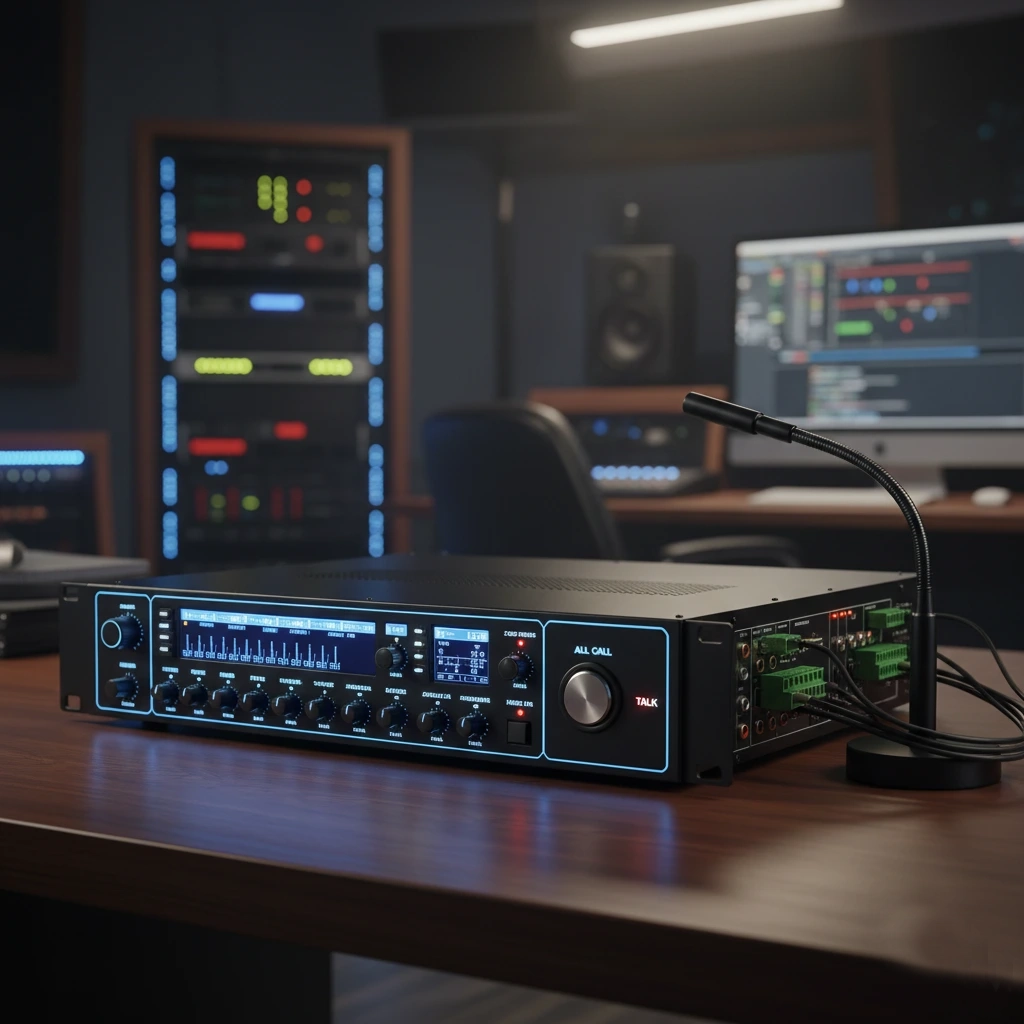
What is a PA sound system and why is it important?
A PA sound system, or public address system, is used to deliver clear voice announcements, emergency instructions, background music and live microphone audio to a group of people within a building or open area. In Bangladesh, PA systems are commonly installed in schools, mosques, offices, factories, hospitals, retail buildings and commercial spaces where one person needs to communicate clearly with many listeners at the same time.
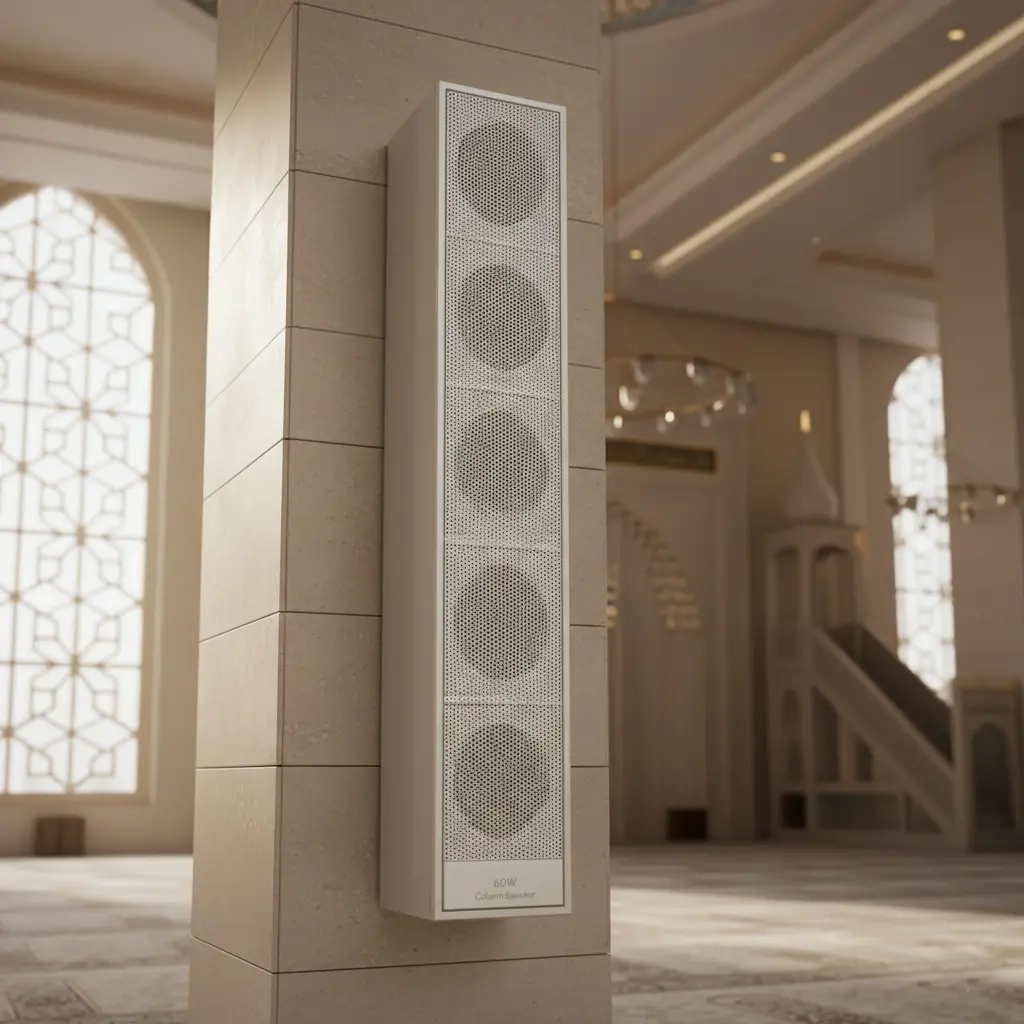
A properly designed PA system improves daily communication and operational control. In a school, it helps distribute class announcements across multiple floors. In a mosque, it supports Azan, khutba and prayer-time voice coverage. In an office or factory, it becomes important for emergency paging, shift communication and routine announcements. The real value of a PA solution is not only loud sound, but clean intelligibility, dependable coverage and easy operation for the people who use it every day.
Key components of a PA sound system
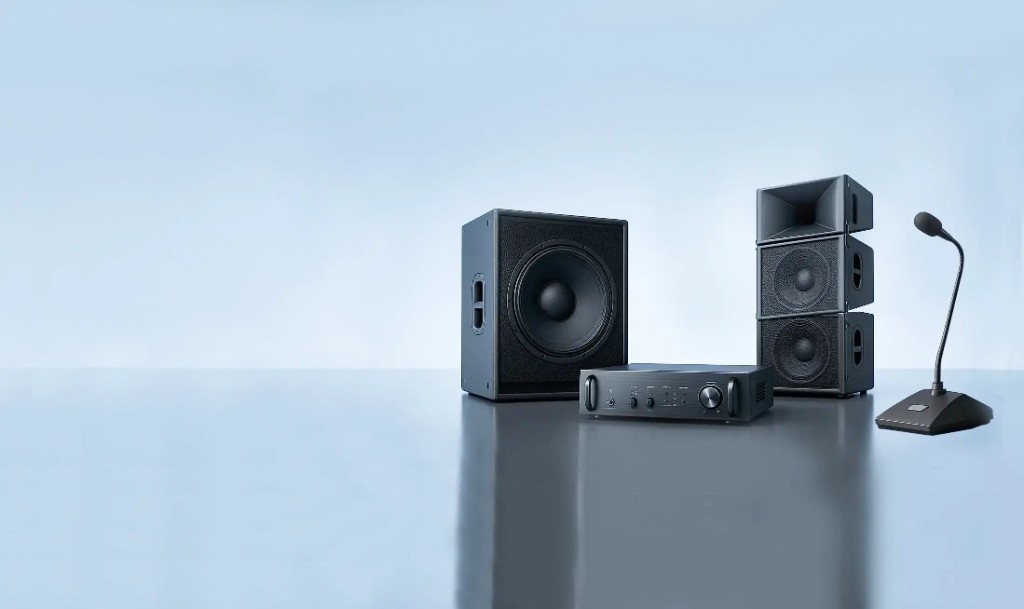
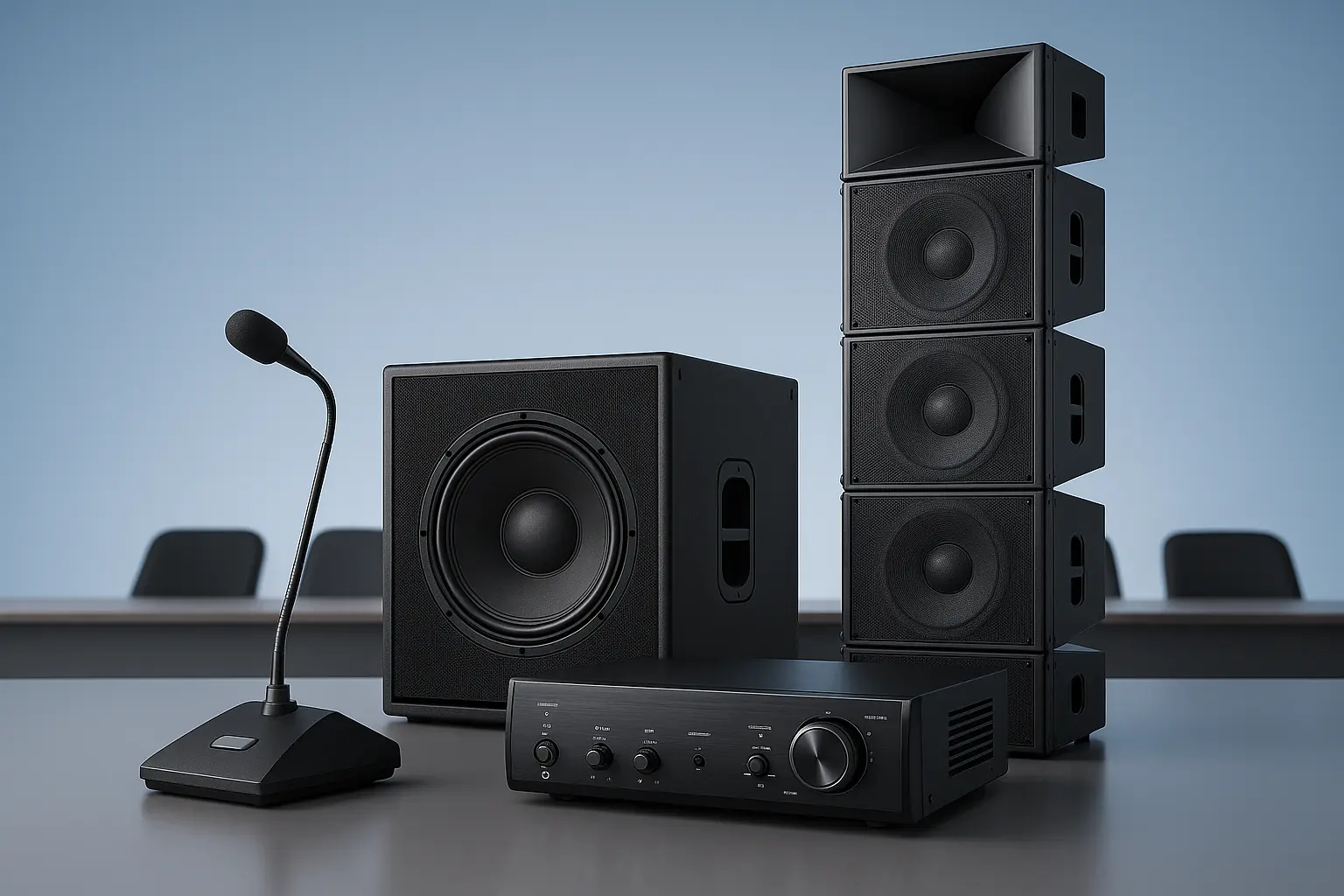
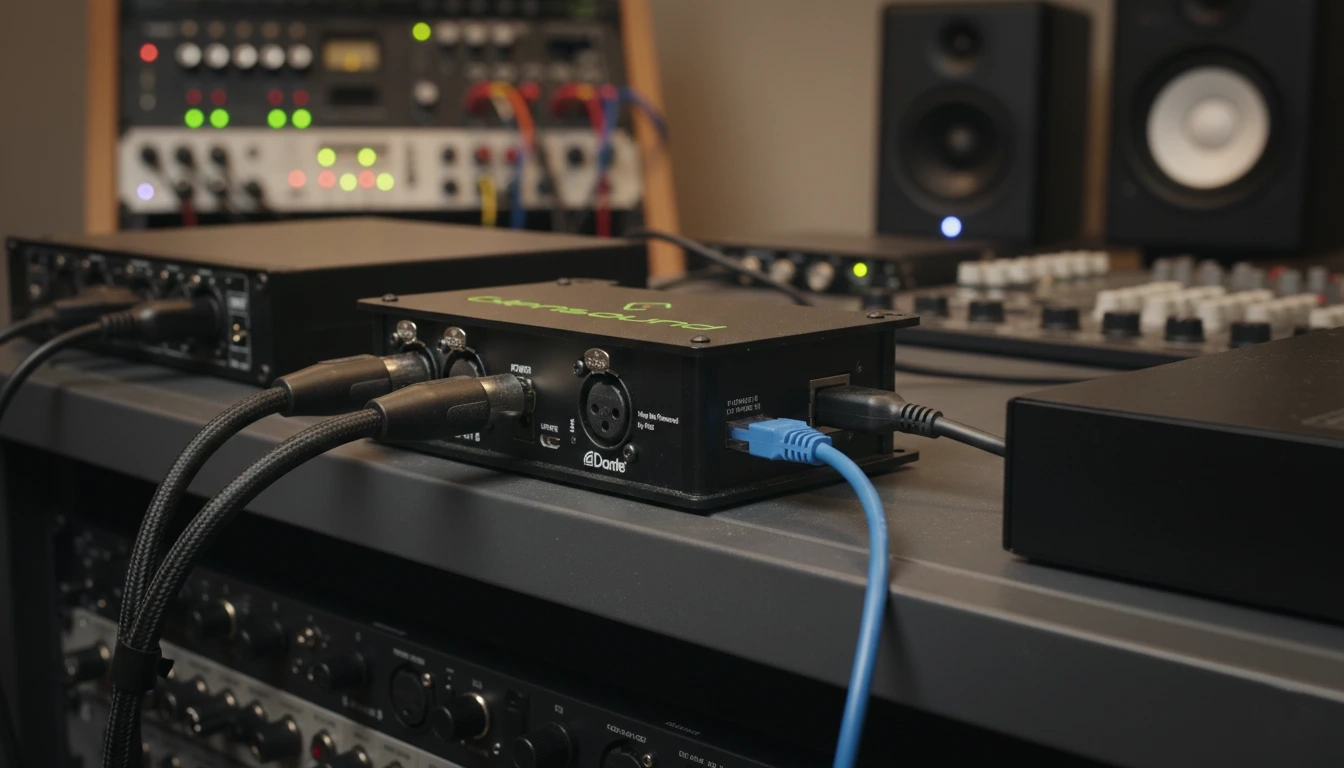
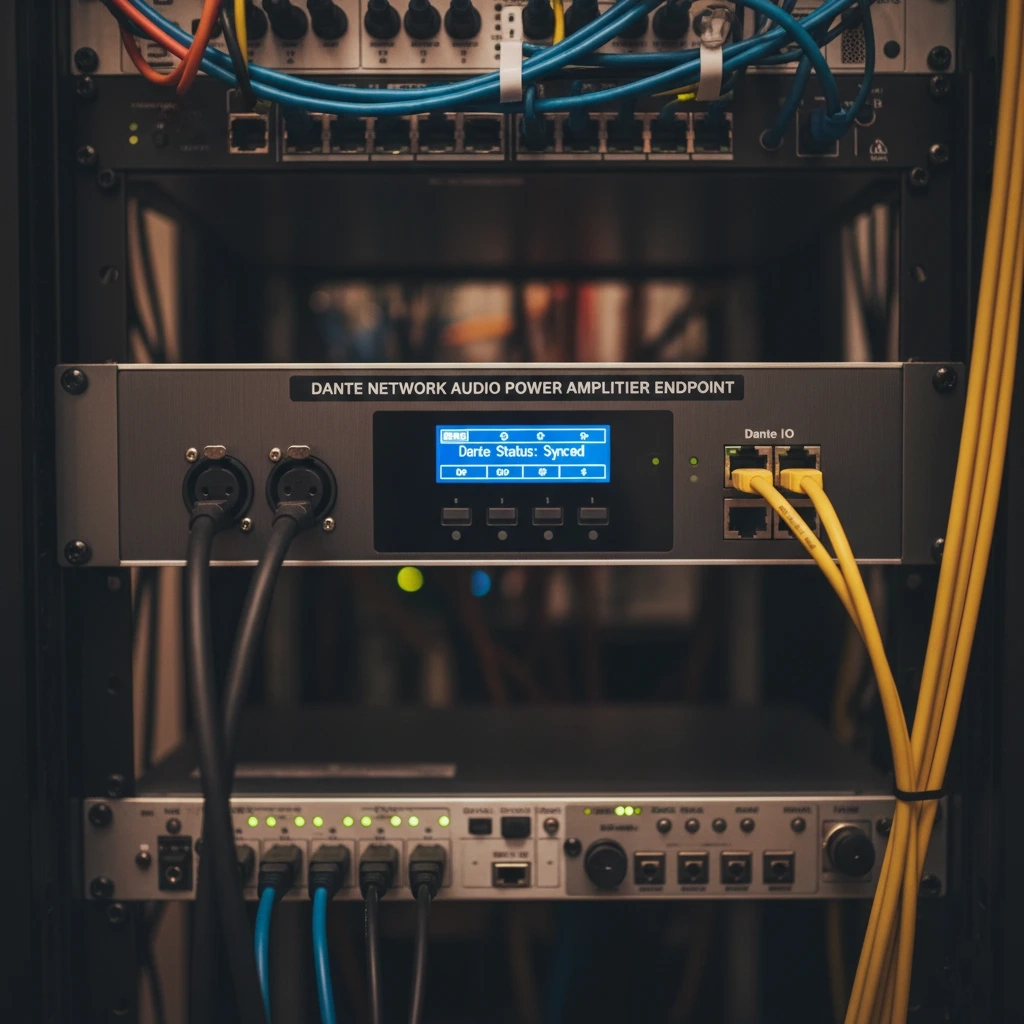
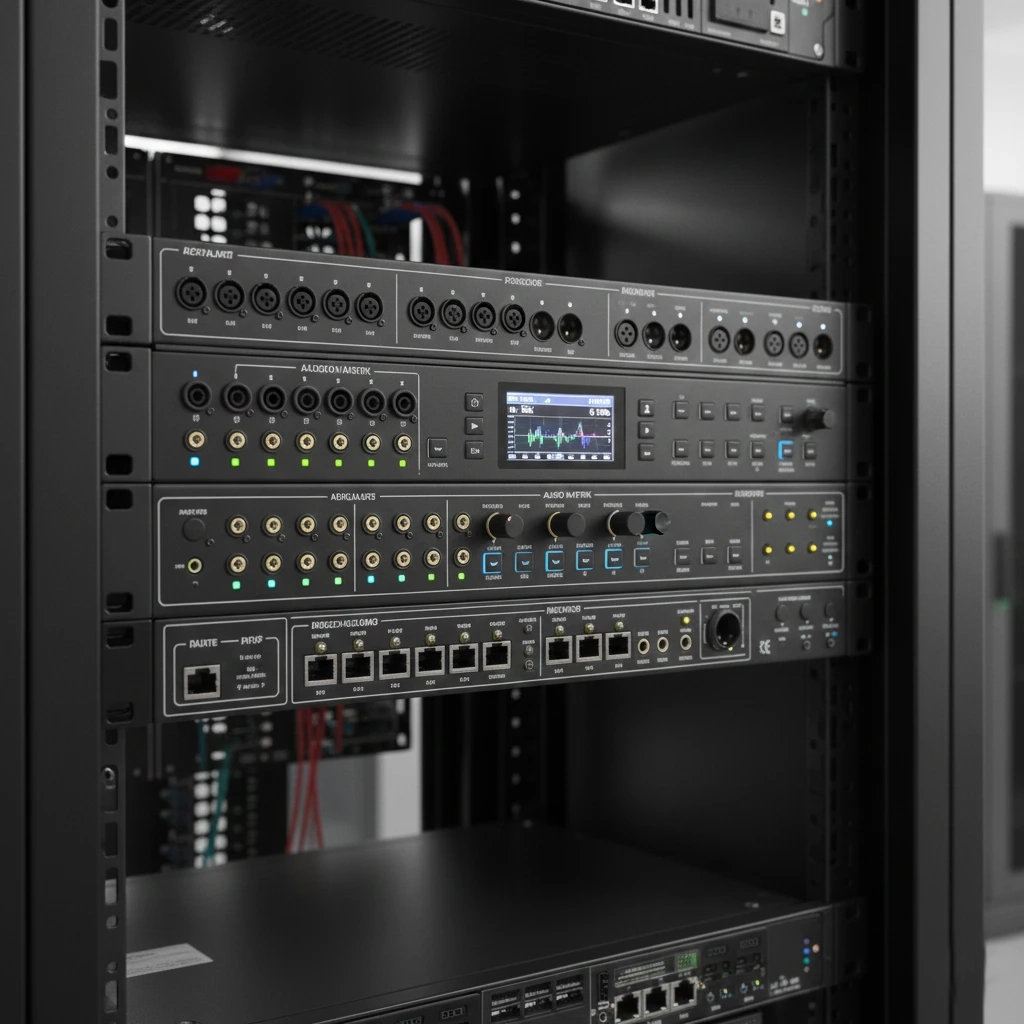
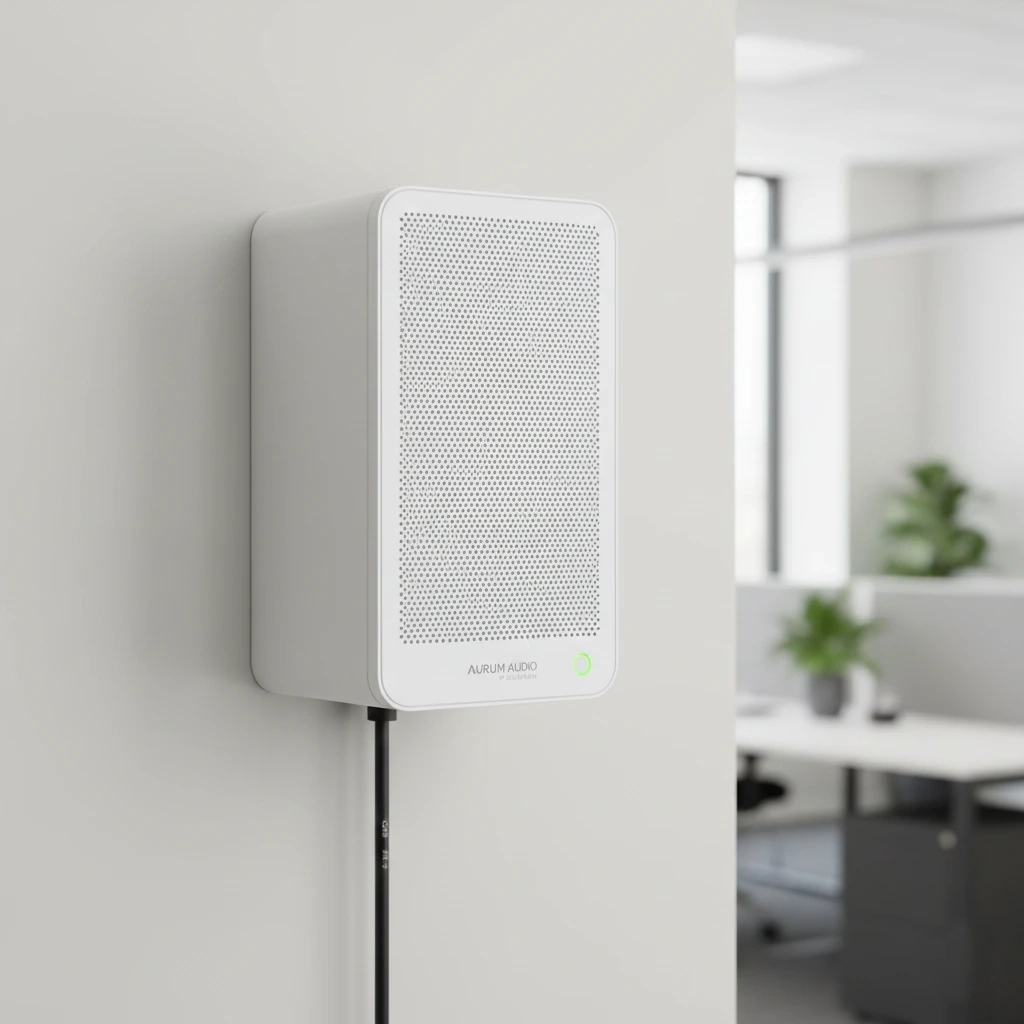
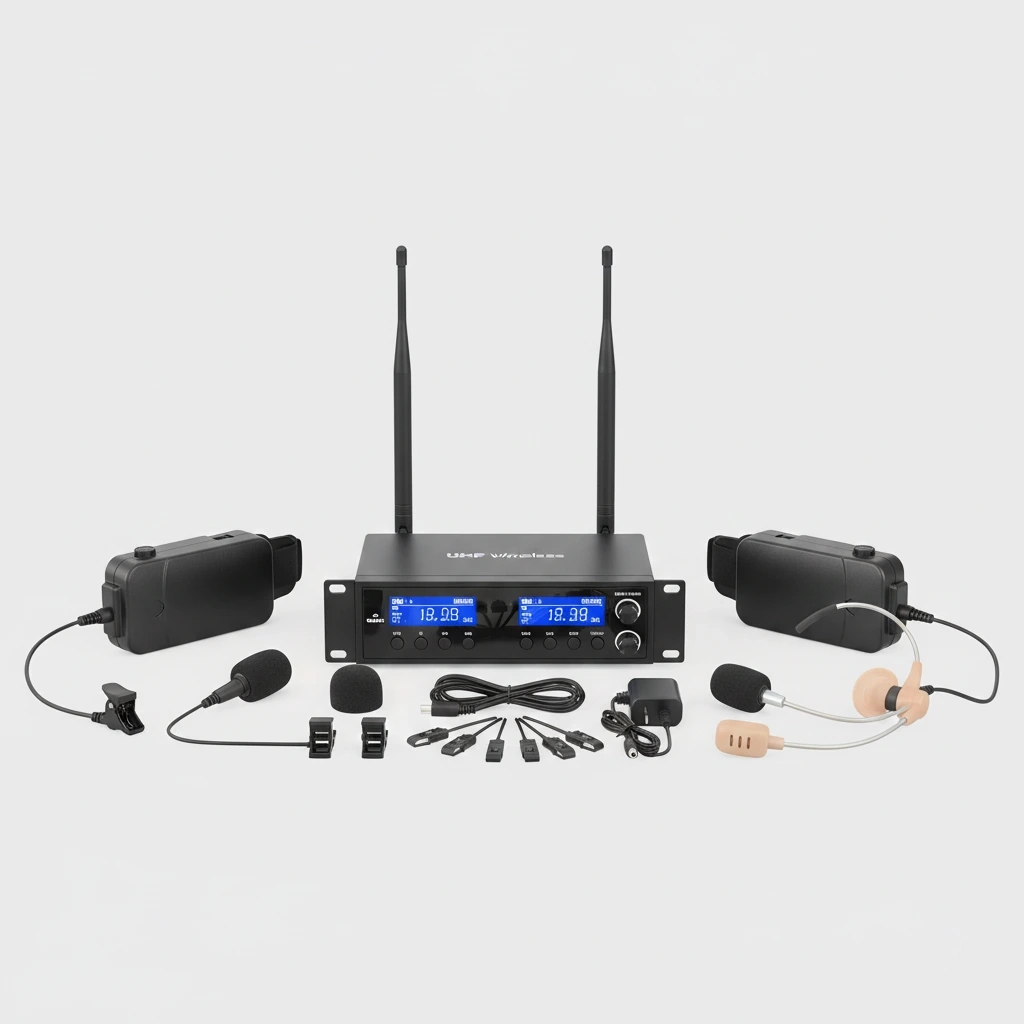
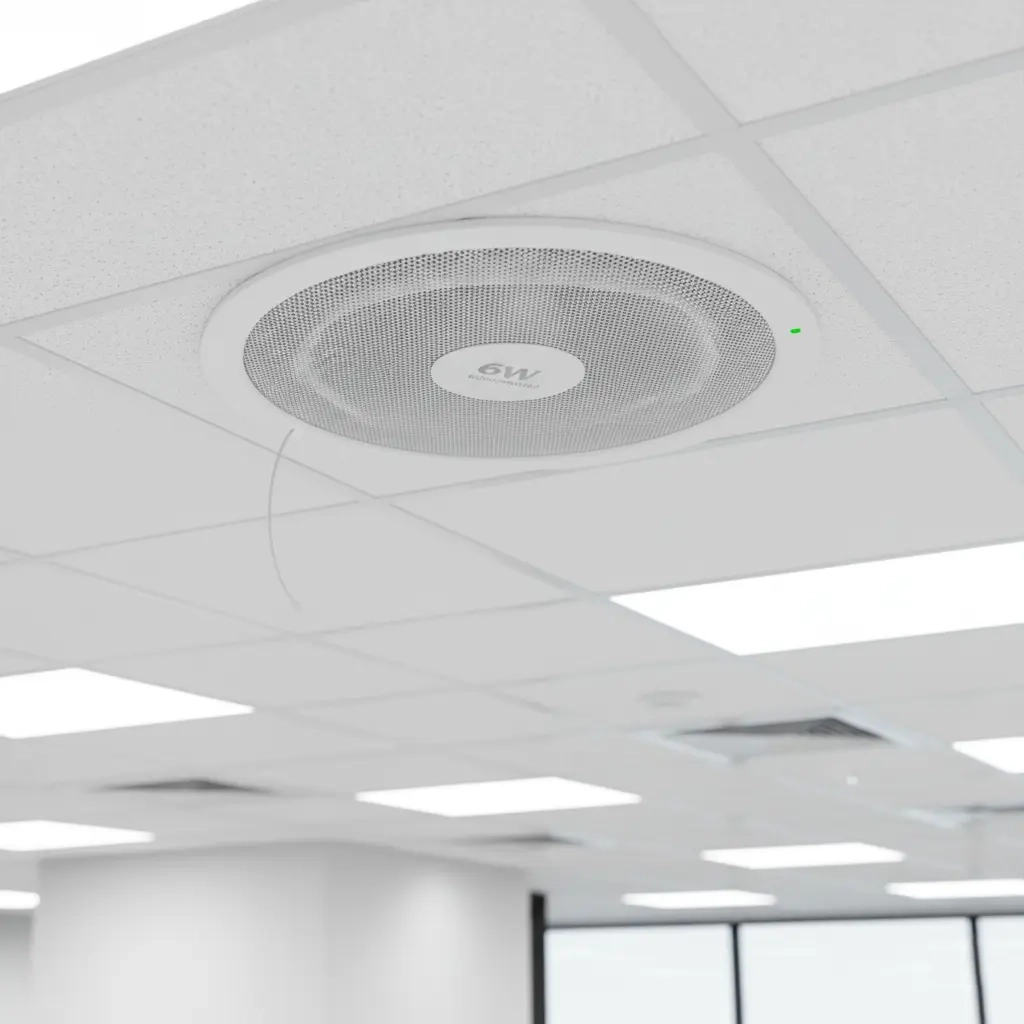
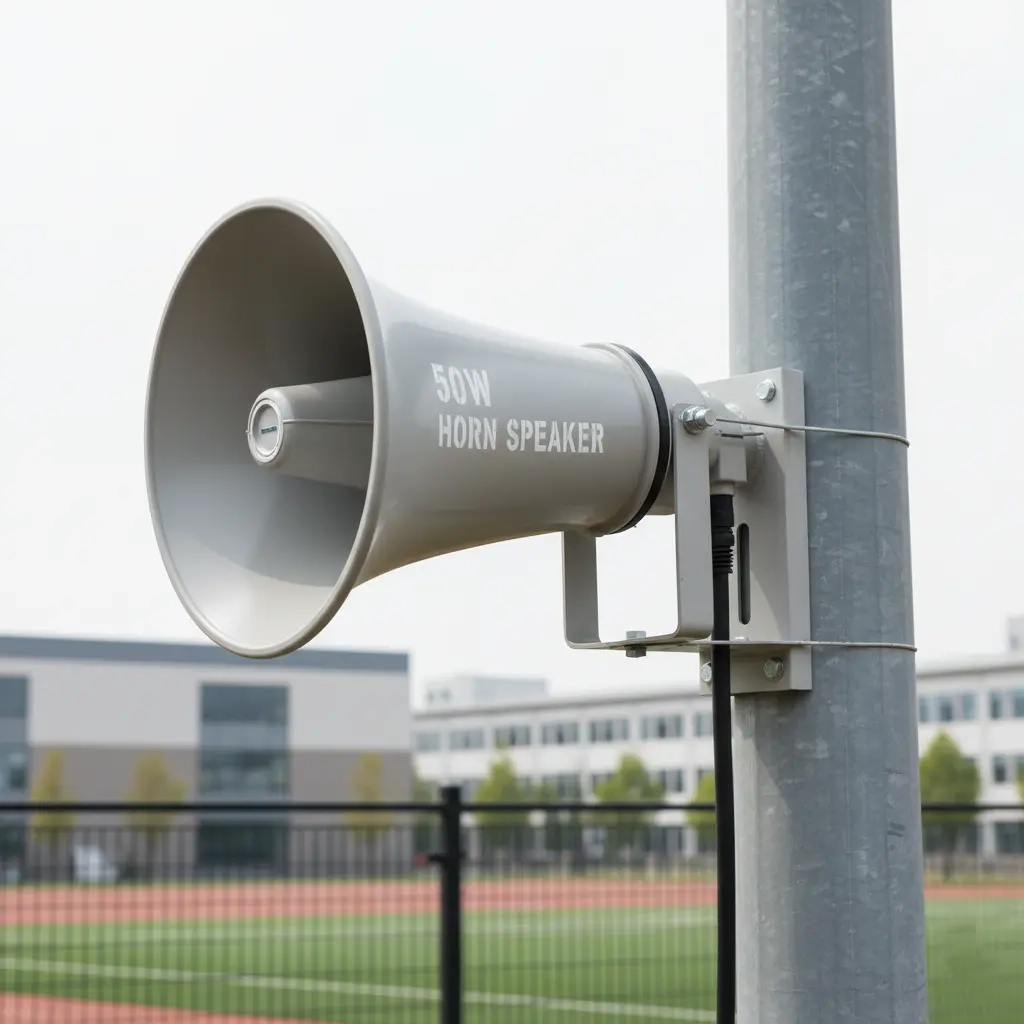
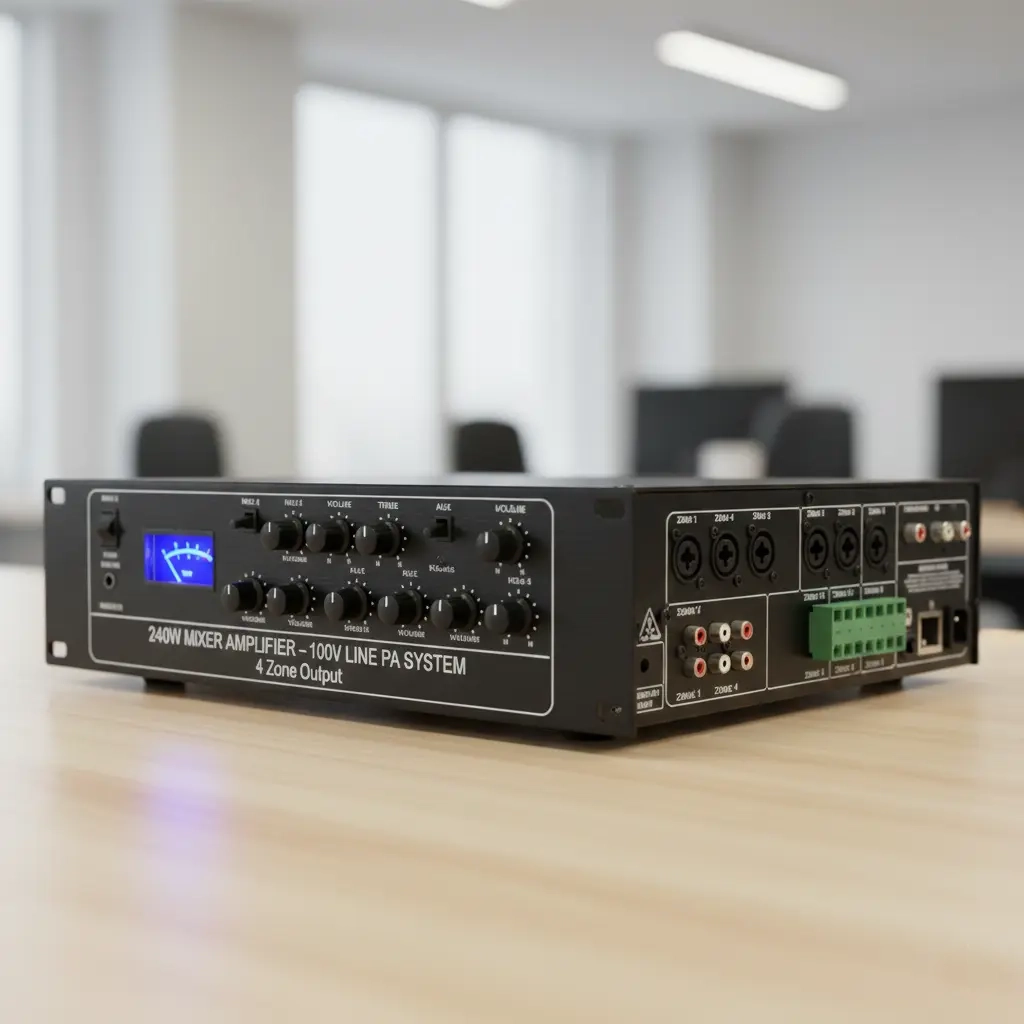
A complete PA sound system usually includes microphones, mixer amplifiers or power amplifiers, speakers, zoning controls, source devices and structured cabling. The microphone captures voice, the amplifier processes and powers the signal, and the speakers distribute that sound across the required area. Depending on the project, the system may also include wall speakers, ceiling speakers, horn speakers, column speakers, wireless microphones, feedback suppressors and rack-mounted accessories.
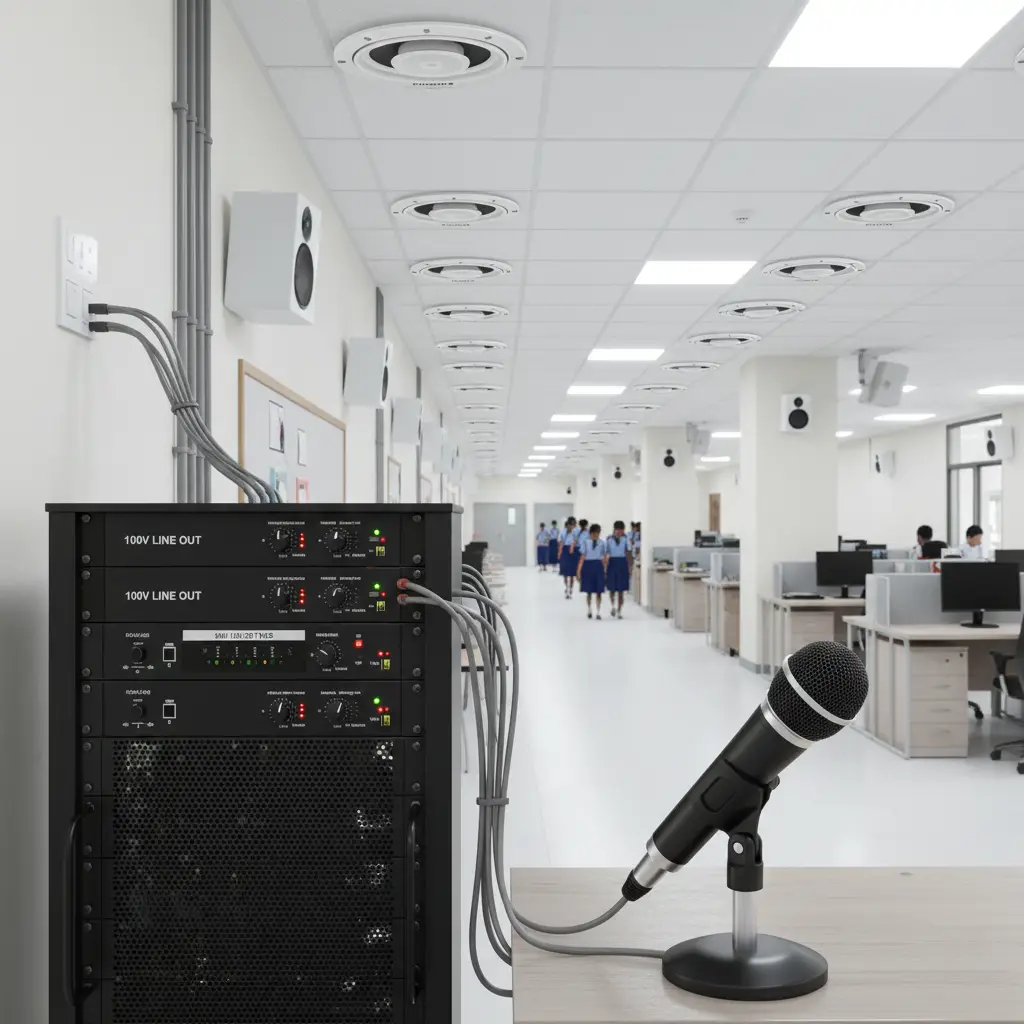
For smaller spaces, a compact or portable PA setup may be enough. For larger buildings, 100V line PA systems are more practical because they allow multiple speakers to be connected efficiently across different zones. For conference environments, the system may also include chairman and delegate microphones with discussion control. Good product selection matters, but layout planning and wattage matching are equally important if you want stable voice coverage without distortion or dead zones.
How to choose the right PA system for your building
The right PA system depends on your building type, background noise level, number of zones and the kind of audio you need to deliver. A school or college often needs classroom and corridor coverage with zone paging. A mosque usually needs a different balance of indoor and outdoor loudspeakers. An office or showroom may prioritize clean voice plus background music. A factory may need higher-output horn speakers to overcome ambient machinery noise and ensure announcements remain understandable.
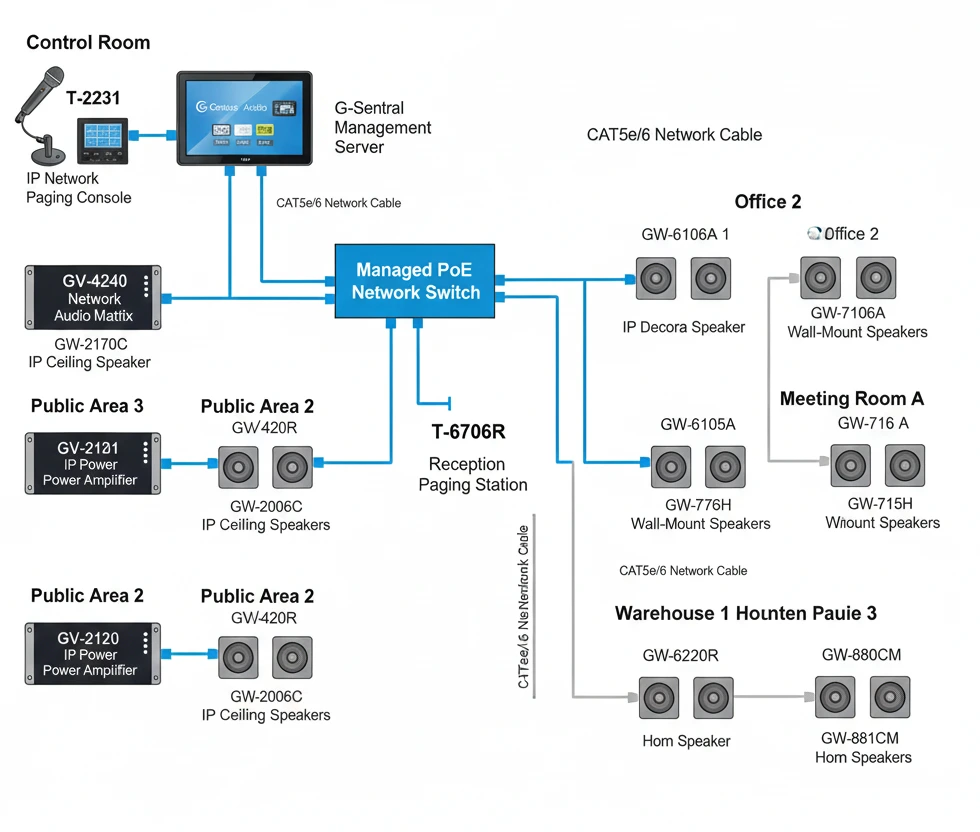
Before finalizing equipment, it is important to confirm floor area, speaker placement, amplifier power, wiring distance and user workflow. Some projects need only general announcements, while others need separate floor control, emergency override or music playback. This is why the best PA system is not always the most expensive one. The best system is the one that matches the real communication pattern of the building, uses reliable components and can be maintained easily after handover.
PA system installation, zoning and long-term reliability
Installation quality has a direct impact on how a PA sound system performs over time. Clean cable routing, correct speaker tap selection, safe rack wiring, grounding and labeled zone layout all make the system easier to troubleshoot and more dependable in daily use. In multi-floor buildings, zoning is especially important because different announcements may need to reach different departments, floors or public areas without disturbing the whole building.
Long-term reliability also depends on amplifier headroom, proper speaker load calculation and operator-friendly control. If the system is too weak, speech becomes unclear during busy hours. If it is badly wired, maintenance becomes difficult and faults spread across multiple zones. A practical engineering-led installation helps keep the system organized, scalable and easy to use for years, which is why design, cabling and commissioning should be treated as part of the solution, not as an afterthought.

.webp)




.webp)
.webp)
.webp)