
Bangladesh Fire Service and Civil Defence

Rental LED screen in Bangladesh is used for wedding, stage show, conference and concert events where fast setup, stable output and backup readiness matter. A practical rental package should be easy to transport, quick to install and reliable under live-show pressure.
This page focuses on event-ready rental LED decisions including cabinet type, refresh performance, logistics, backup planning and on-site support. For permanent installation pricing, use the main LED display hub and LED video wall price page.
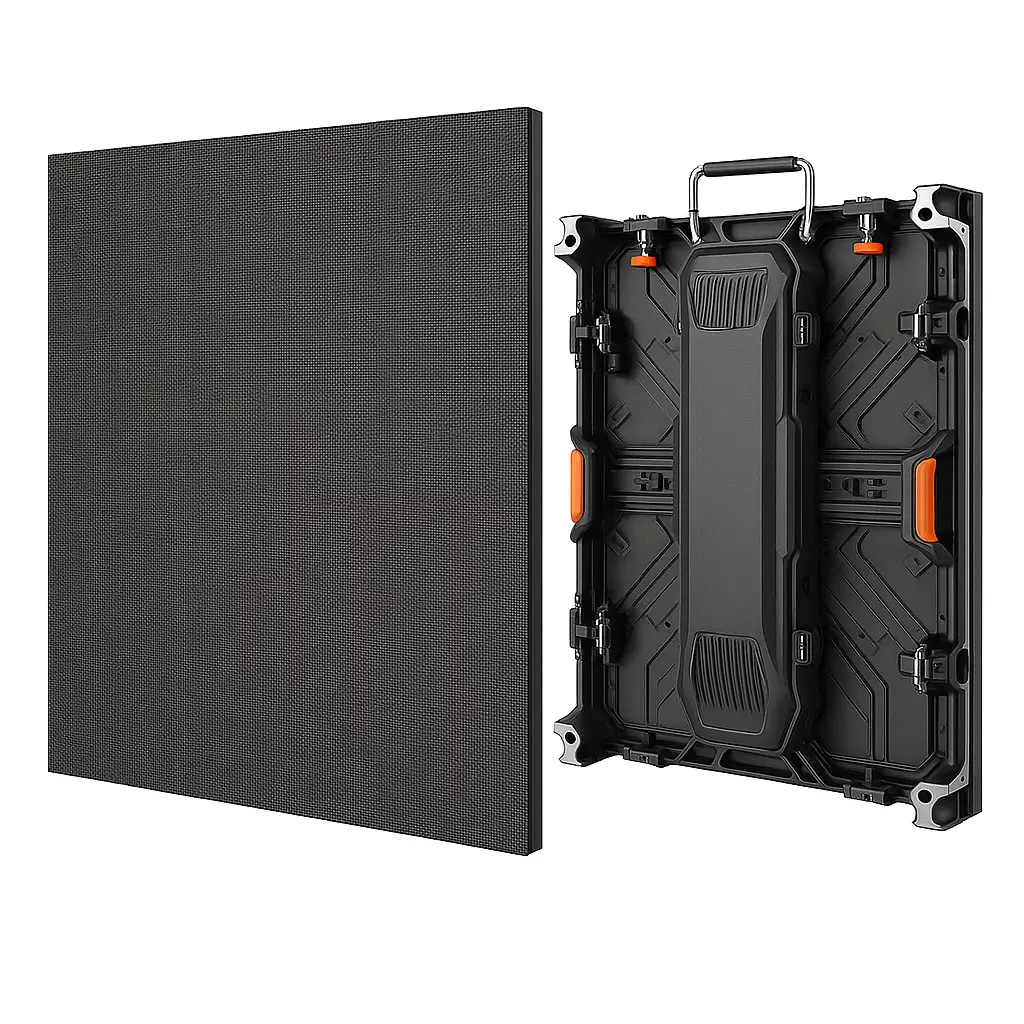
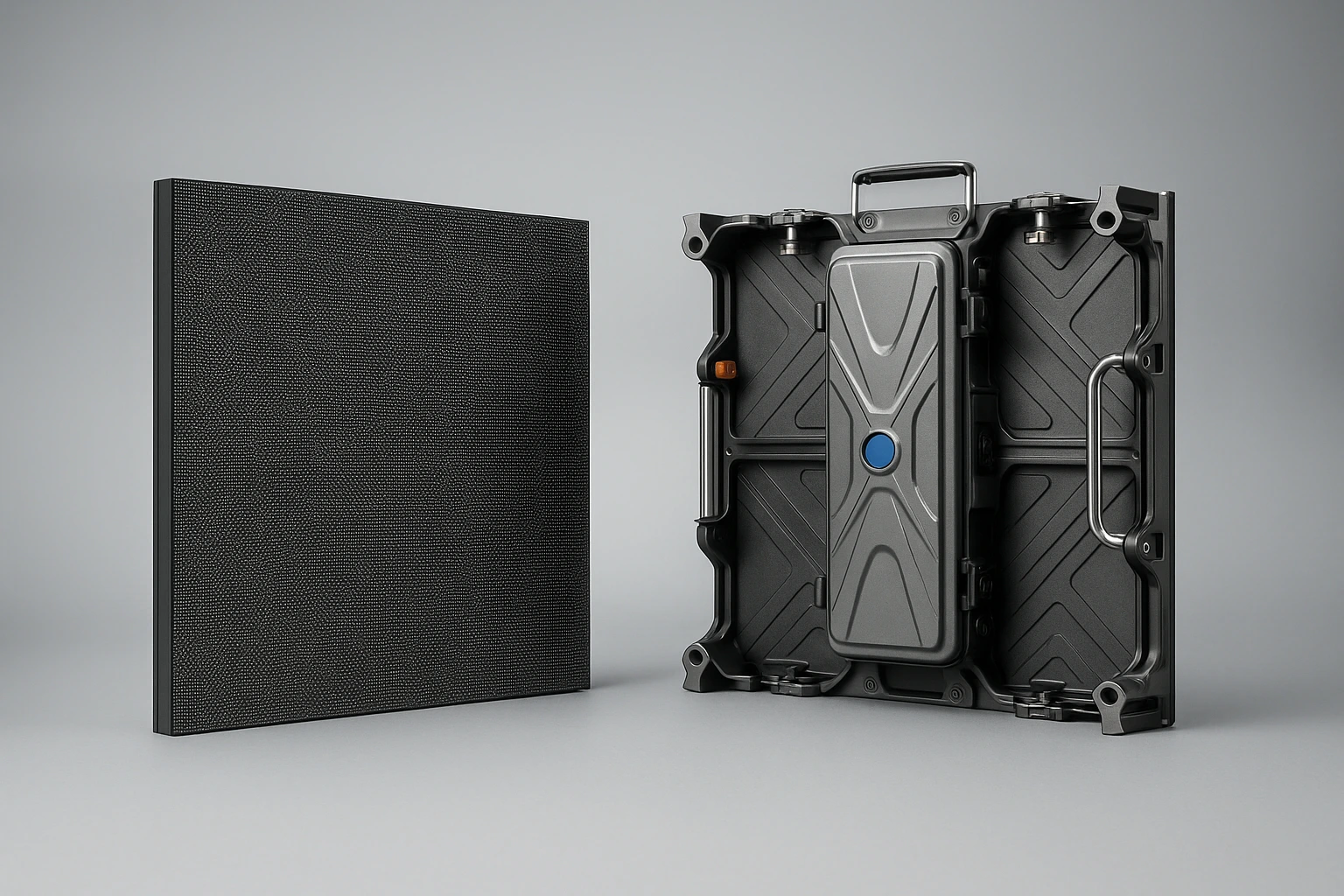
Relevant billboard-ready product visuals placed near the main page content to improve page clarity and image discovery.
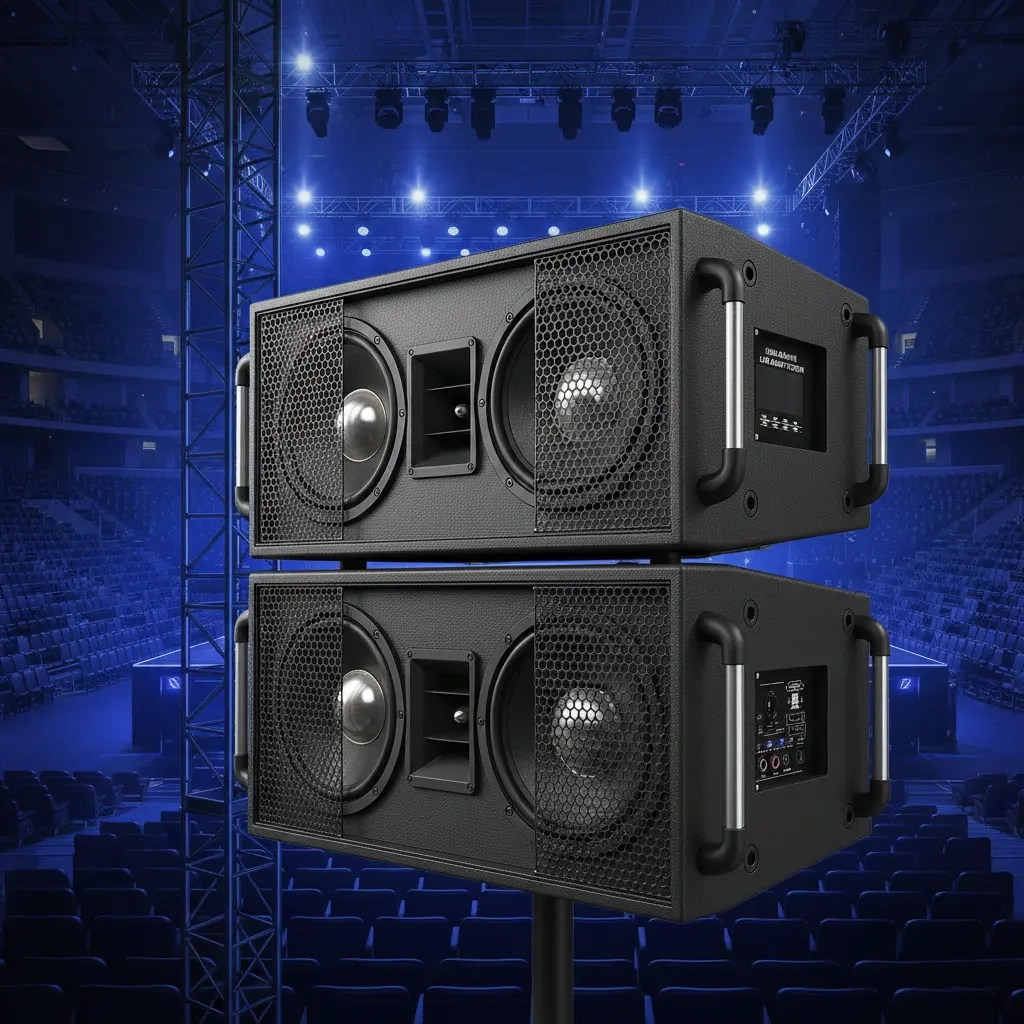
This rental-ready lineup includes LED cabinets plus essential sound, lighting, truss, and camera items so clients can evaluate a complete event package in one place.
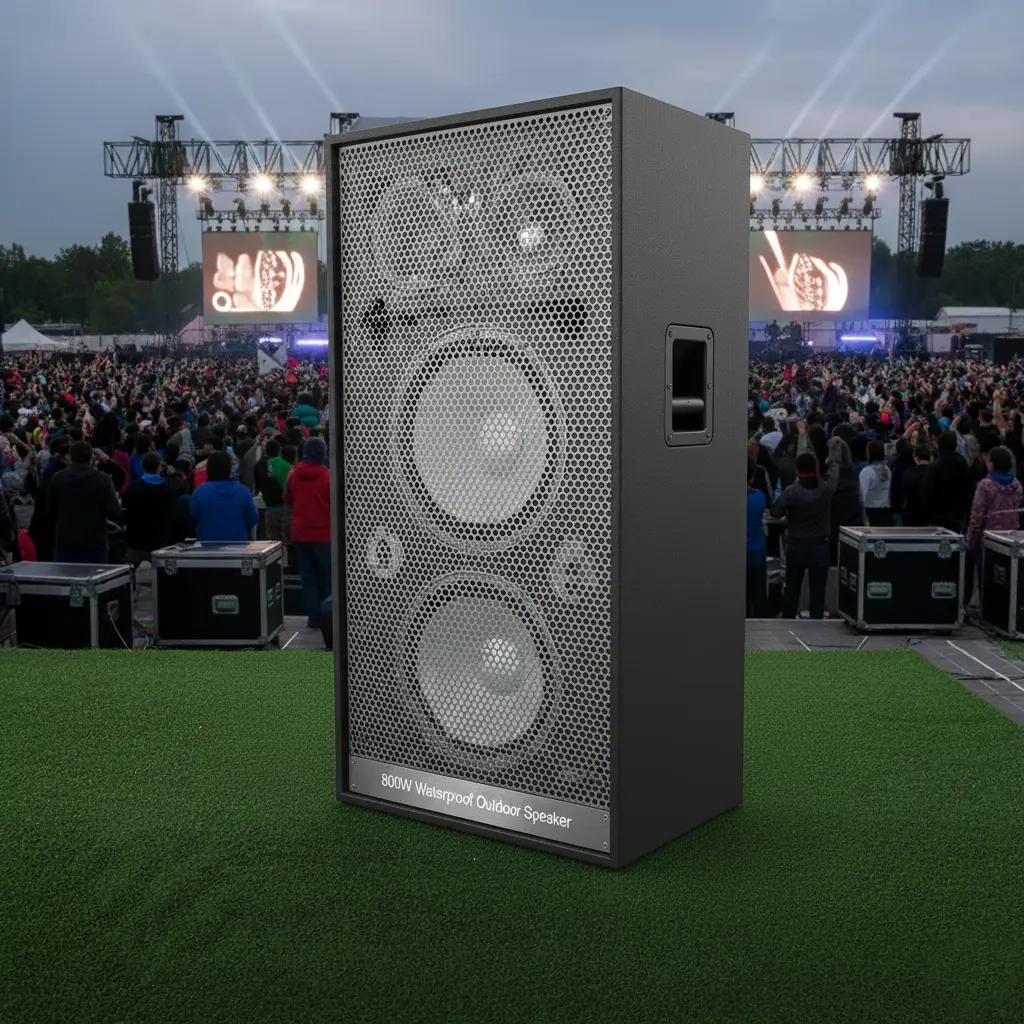 Product
Waterproof Outdoor Speaker Package (Short-term Outdoor Use)
On request
 Product
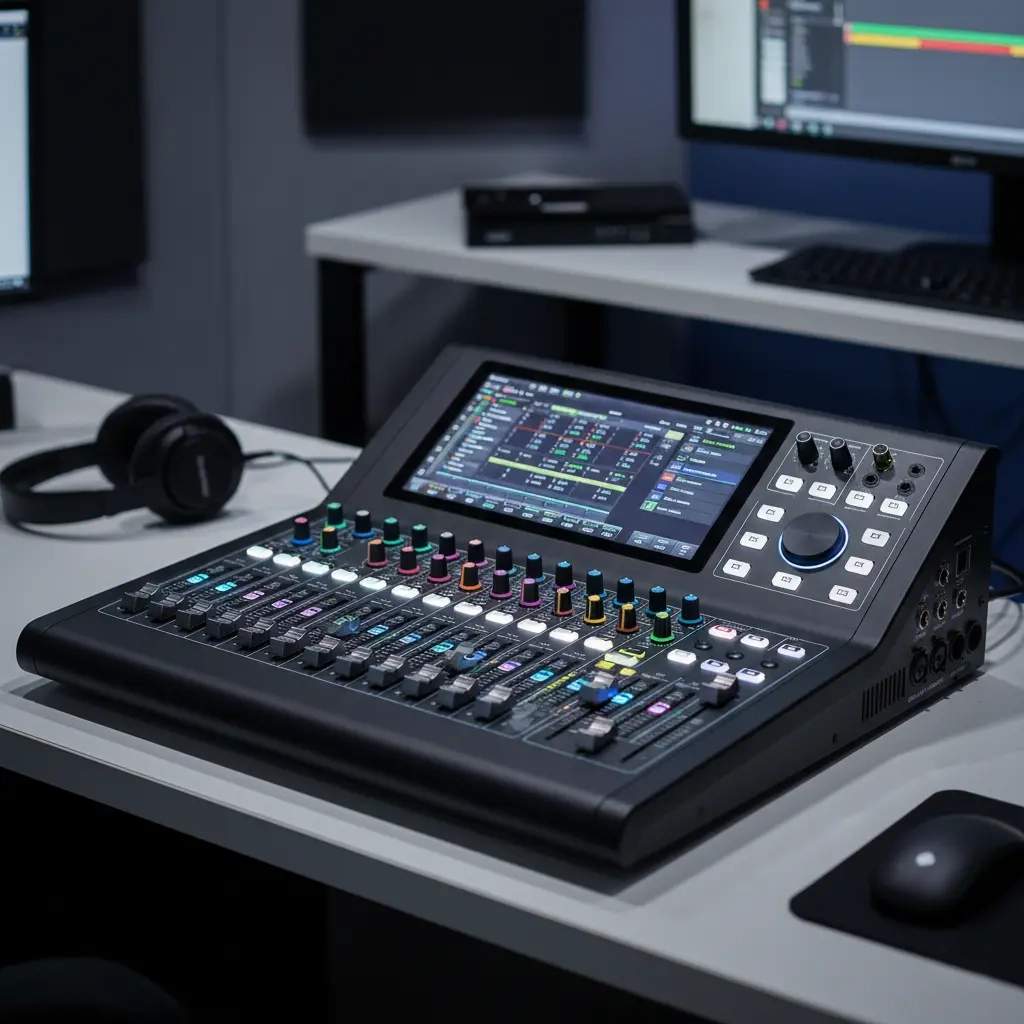
Digital Mixer Package (Wireless Mic + Processing)
On request
 Product
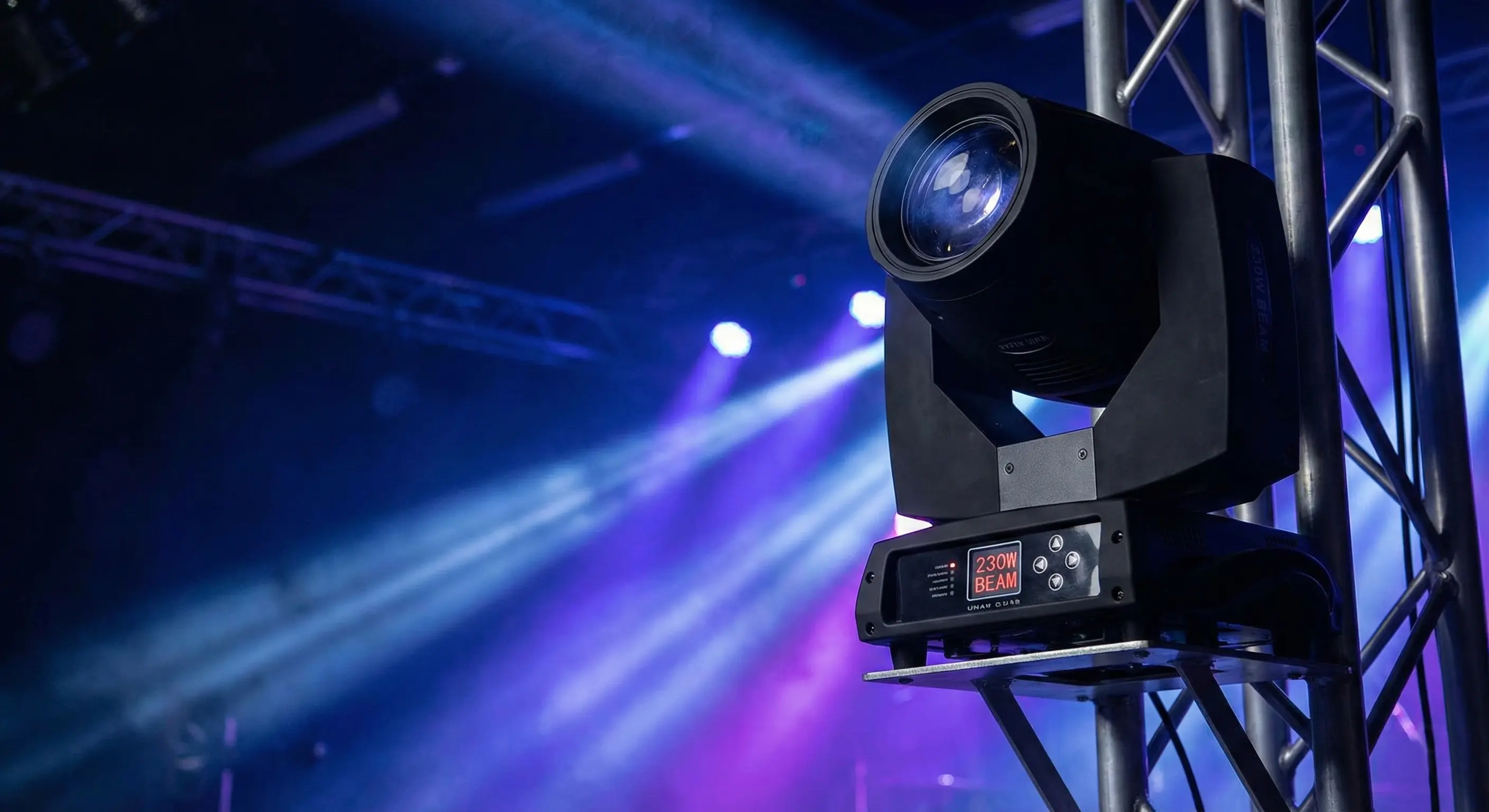
Moving Head Beam Light Package (Stage / Concert)
On request
 Product
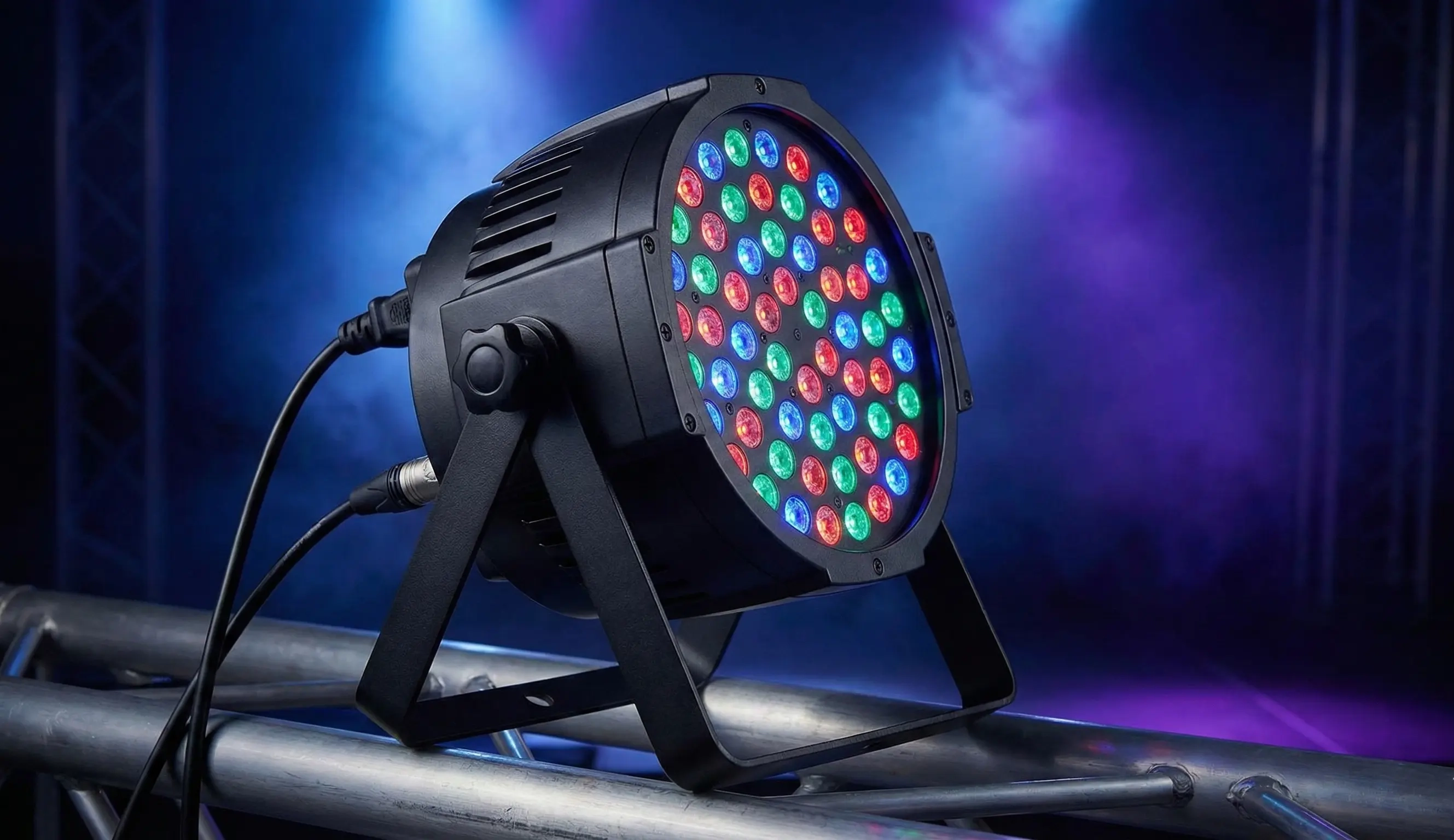
LED PAR Light Package (Wash Lighting)
On request
 Product
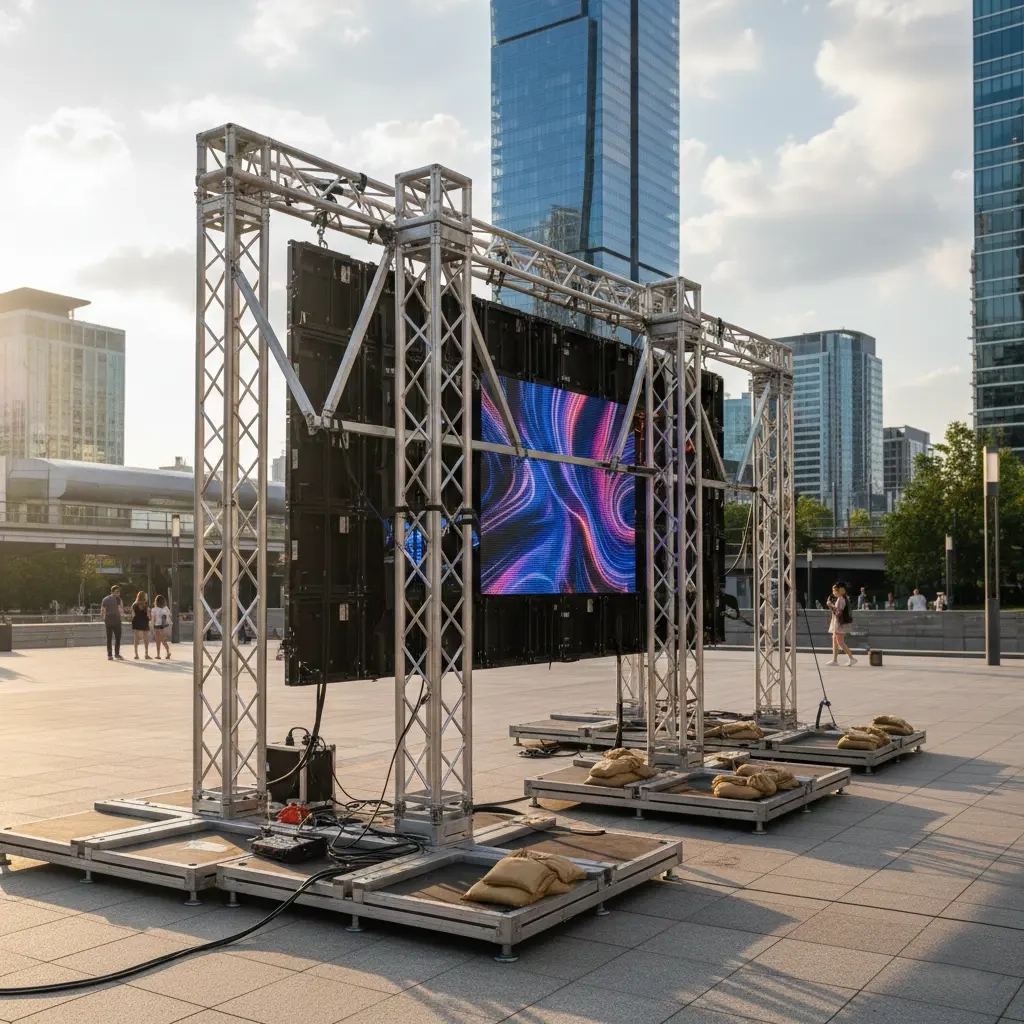
LED Wall Ground Support / Hanging Structure
On request
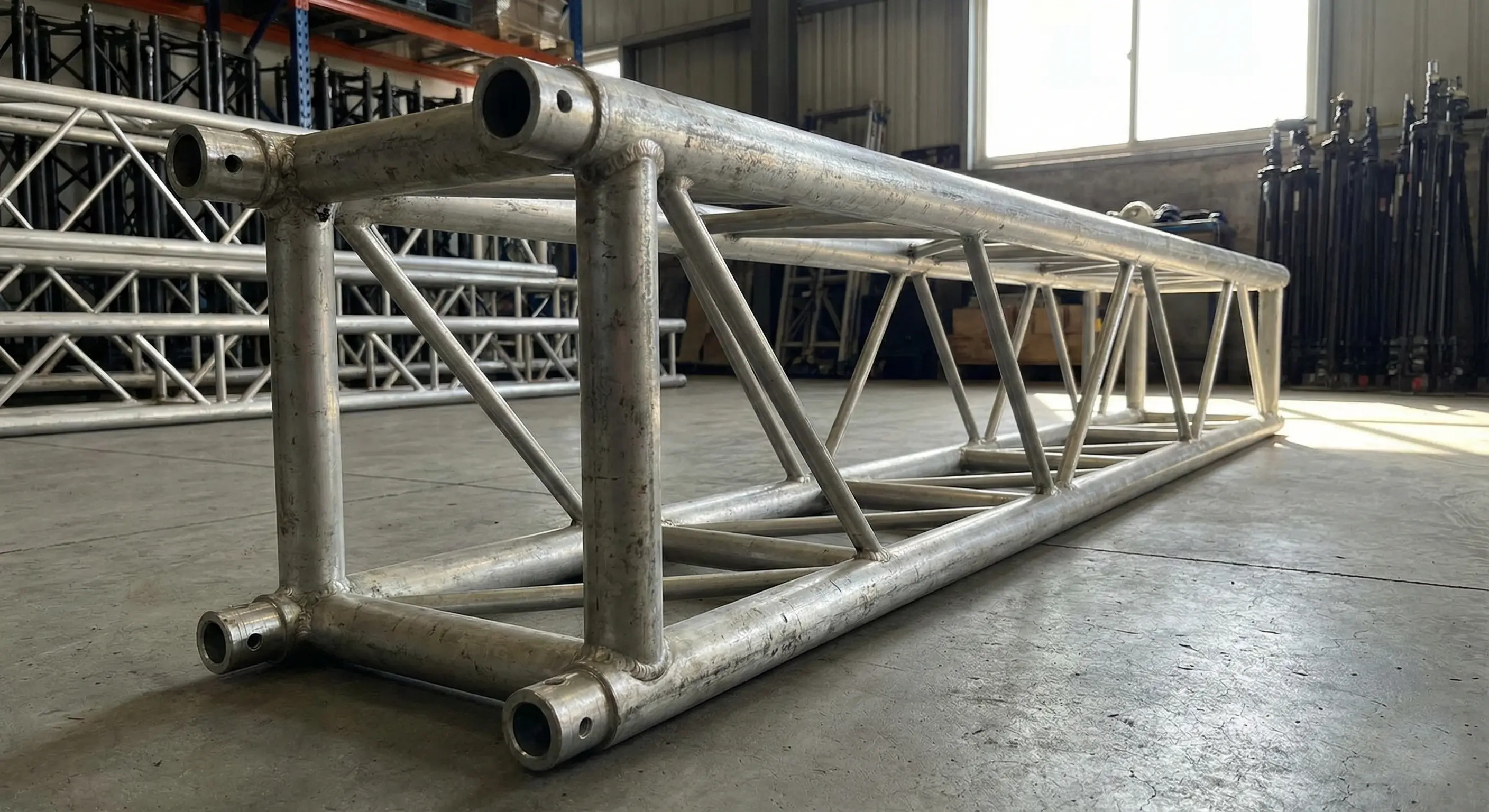 Product
Aluminum Box Truss Structure (Stage Rigging)
On request
Renex Digital works with world-leading LED and display technology brands. Backed by ISO-focused quality practices and engineering-driven installation teams, we ensure reliable performance and Authorized Brands & Certified Engineering Partner service for projects across Bangladesh.








Partnered with reliable LED component manufacturers, bdLEDdisplay focuses on brightness stability, colour accuracy and long-life operation – from indoor fine-pitch walls to outdoor stadium-grade displays, supported by practical after-sales service.
Government, Corporate & Education Projects
Our cluster-page recommendations are supported by practical delivery experience across government offices, private organizations, and educational institutions in Bangladesh.
Bangladesh Fire Service and Civil Defence

Bangladesh Tourism Board

Bangladesh University of Engineering and Technology (BUET)

Chattogram City Corporation

Dhaka North City Corporation
.svg)
Bangladesh Road Transport Authority (BRTA)
Local Government Engineering Department (LGED)

Daffodil International University (DIU)

RAJUK Uttara Model College

University of Liberal Arts Bangladesh (ULAB)
📌 Prefer lightweight rental cabinet for faster on-site handling.
⚙️ Use camera-friendly refresh performance for live broadcast.
🛠️ Plan cable routing, signal backup and power redundancy.
🔌 Keep trained technical support available during event runtime.
Rental LED screen is a modular, event-oriented display system optimized for fast setup, transport efficiency and live-show reliability. It is commonly used for concerts, conferences, weddings, product launches and stage productions where setup speed, camera compatibility and operational backup are critical.
We support rental projects with checklist-driven execution: package planning, logistics coordination, on-site testing, camera-friendly tuning and standby troubleshooting support. This reduces show-time risk and improves delivery consistency for event teams.
Rental jobs are time sensitive. Lightweight cabinets with fast lock mechanism reduce setup and dismantling time. This directly improves operational efficiency for event teams and lowers labor pressure. Mechanical convenience in cabinet design is often as important as visual quality.
For live streaming, stage cameras or TV coverage, refresh performance affects visual output quality. Stable signal path and proper processor settings reduce flicker risk. Event LED planning should always consider final output device chain, not only LED hardware specs.
Rental assets move frequently, so packaging and transport protection directly affect durability. Use proper flight-case planning with clear labeling for modules, controllers, cables and spares. Good logistics planning saves time and avoids damage during repeated movement.
Event venues may have unstable power or limited distribution points. Plan power load in advance and keep safe backup options. Signal path should include contingency for processor or cable failure. A robust backup plan is essential for mission-critical live shows.
Rental LED success depends heavily on operator readiness. Create a standard checklist for load-in, testing, live monitoring and post-event teardown. Keep spare modules and critical cards nearby. Rapid incident response minimizes performance disruption during high-pressure events.
Fast setup workflow with event-ready technical checklist.
Camera-friendly refresh and stable live signal handling.
Backup planning for power, controller and critical spares.
Rental pricing depends on screen size, duration, transport, rigging and support team requirement. Share event details for accurate package pricing.
📌 Step 1
Confirm stage size, run-time schedule, camera and audio workflow.
⚙️ Step 2
Finalize cabinet count, transport, rigging and backup inventory.
🛠️ Step 3
Complete fast assembly, signal check, brightness setup and rehearsal test.
🔌 Step 4
Run event monitoring checklist and execute safe dismantling.
Lower cabinet weight speeds up installation and reduces handling risk, especially in large event setups with tight timelines.
Camera-facing events usually benefit most from higher refresh behavior. For basic non-broadcast events, configuration can be optimized based on budget and requirement.
Common essentials include spare modules, critical cards, cables, controller backup and tested power distribution components.
Yes. Screen size, ratio, processor mapping and structure layout are normally tailored to event stage dimensions and viewing requirement.
For smooth execution, finalize screen size, power plan and rigging details as early as possible so logistics and testing can be completed without rush.
For high-value live events, backup controller and critical spares are strongly recommended to reduce downtime risk.
Yes. Scope can include transport, setup, operation support and teardown depending on event requirement and package.
Late planning, weak power distribution, insufficient cable backup and no on-site monitoring process are common causes.